Rubbish collection Greenwich Market and Cutty Sark
Posted on 29/05/2026

Rubbish collection Greenwich Market and Cutty Sark: a practical local guide for busy households, traders, and visitors
If you're trying to sort rubbish collection Greenwich Market and Cutty Sark, you're usually dealing with a very specific kind of mess: a mix of compact streets, busy visitor flow, limited loading space, and the simple reality that waste never seems to appear at a convenient time. One minute it's cardboard after a stock delivery, the next it's packaging, food waste, broken display materials, or the aftermath of a flat clear-out near the river. Bit of a headache, frankly.
This guide breaks down how rubbish collection works around Greenwich Market and the Cutty Sark area, what to expect, and how to choose a sensible service without making things harder than they need to be. You'll find practical steps, common mistakes, compliance pointers, and a few local realities that make a difference in Greenwich. If you want a wider sense of the service landscape first, it can help to look at the services overview and the company's recycling and sustainability approach.
Quick take: around Greenwich Market and Cutty Sark, the best rubbish collection is the one that is quick, tidy, appropriately licensed, and suited to the space you're working in. Speed matters. So does care. And, to be fair, the difference between a smooth collection and a stressful one often comes down to planning.
Table of Contents
- Why rubbish collection Greenwich Market and Cutty Sark matters
- How rubbish collection Greenwich Market and Cutty Sark works
- Key benefits and practical advantages
- Who this is for and when it makes sense
- Step-by-step guidance
- Expert tips for better results
- Common mistakes to avoid
- Tools, resources and recommendations
- Law, compliance, standards, and best practice
- Options, methods, and comparison table
- Case study or real-world example
- Practical checklist
- Conclusion
- Frequently asked questions
Why rubbish collection Greenwich Market and Cutty Sark matters
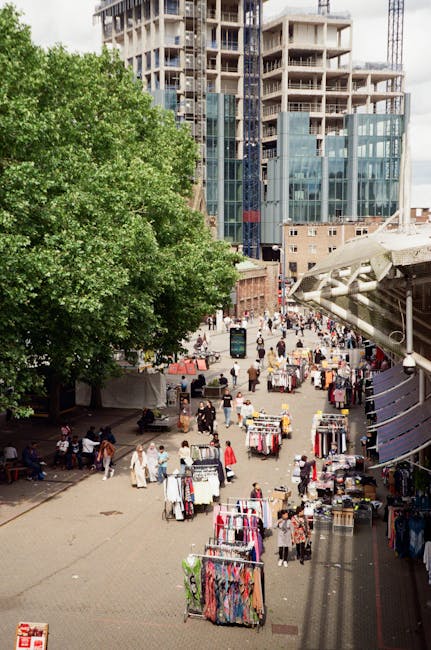
Greenwich Market and the Cutty Sark area are not like a quiet suburban street where a pile of waste can sit around until someone gets round to it. These are highly visible places. There are traders, residents, tourists, cafes, office workers, delivery drivers, and people wandering between the market, the riverside, and nearby streets. Waste in that setting becomes a public-facing issue very quickly.
For businesses, messy waste can affect customer experience and even footfall. For residents, it can mean blocked access, smells, pests, or awkward shared spaces. For landlords and managing agents, rubbish left in the wrong place can trigger complaints and create avoidable costs. It's a small thing until it isn't.
There is also the practical side: Greenwich streets can be busy and narrow, especially at peak times. Waste left out too early or in the wrong spot may become a nuisance or get moved around by weather, pedestrians, or passing traffic. A good collection plan keeps things tidy, reduces friction with neighbours, and helps the area stay pleasant for everyone.
And if you know Greenwich well, you know how much the local atmosphere matters. A clean market area feels open and welcoming. A cluttered one feels cramped. Same street. Very different impression.
How rubbish collection Greenwich Market and Cutty Sark works
In practical terms, rubbish collection in this part of Greenwich usually starts with identifying what needs removing, how much there is, and whether it needs special handling. That sounds obvious, but it is the bit people often skip. A sack or two of general waste is one thing. A mix of cardboard, furniture, packaging, plasterboard, old fixtures, or garden cuttings is another.
Most collections follow a simple pattern:
- Assessment - a quick review of the volume and type of rubbish.
- Quote or booking - based on load size, access, and disposal requirements.
- Collection window - arranged to fit the area's traffic and operating hours.
- Loading - items are moved out safely and efficiently.
- Sorting and disposal - recyclable materials are separated where possible.
In busier areas, timing matters just as much as labour. Early morning collections may suit traders before the day gets going. Later collections may work better for offices, flats, or after-event clean-ups. Near tourist-heavy spots like the Cutty Sark, the aim is usually to avoid making a scene. Nobody wants a rubbish pile sitting by the pavement while people are taking photos.
If the waste is awkward or bulky, specialist services can be useful. For example, old counters, broken shelving, or shop fittings may fit better under a dedicated furniture disposal service. Builders' rubble and renovation debris are a different category again, which is where builders waste disposal in Greenwich becomes the more sensible route.
Key benefits and practical advantages
There are a few clear benefits to using a structured rubbish collection service in this part of Greenwich, and they go beyond simply getting rid of unwanted stuff.
- Cleaner kerb appeal - especially important for market traders and hospitality businesses.
- Less disruption - collections can be timed around opening hours or visitor peaks.
- Safer handling - heavy, sharp, or awkward items are moved by people who know what they are doing.
- Better sorting - recyclable material is easier to separate from general waste when collection is planned properly.
- Reduced stress - no need to hire a vehicle, find parking, or do repeated dump runs.
There's also a less obvious benefit: a good collection routine helps people stay on top of clutter before it turns into a bigger job. A trader clearing packaging each week is not the same as a trader letting it build for a month. One is manageable. The other becomes a Tuesday you regret.
For property owners and landlords, there is a separate upside. Regular waste removal can make a property easier to show, maintain, and hand over. If you're dealing with a move, void period, or inherited contents, services such as house clearance in Greenwich can be more efficient than trying to piece together the job yourself.
Who this is for and when it makes sense
This kind of rubbish collection is useful for a wide mix of people, and not just businesses. The Greenwich Market and Cutty Sark area has a lot going on in a relatively compact space, so the same service can solve very different problems.
- Market traders dealing with packaging, damaged stock, display waste, or end-of-day disposal.
- Cafes and hospitality venues clearing food packaging, worn furniture, and storage clutter.
- Residents clearing flats, moving home, or managing bulky waste in tighter shared spaces.
- Office occupiers needing fast removal of desks, paperwork, or obsolete equipment; office clearance in Greenwich is often a better fit here than a general one-off pickup.
- Landlords and agents preparing a rental property for new tenants.
- Event organisers tidying after a party, pop-up, or private function.
It also makes sense if access is awkward. Greenwich is lovely, but it is not exactly designed around easy waste storage. Shared courtyards, tight access points, and visitor traffic can make DIY disposal more trouble than it's worth. Truth be told, that's where professional collection earns its keep.
If you want a broader feel for local life and how properties and routines work in the area, the site's local posts like a local resident's review of Greenwich and discovering Greenwich as a peaceful London retreat give useful context.
Step-by-step guidance
Here's a practical way to handle rubbish collection around Greenwich Market and Cutty Sark without overcomplicating it.
1. Identify the waste clearly
Separate general rubbish from bulky items, recyclables, electrical items, and anything that may need special handling. A quick sort now saves time later. It also makes quotes more accurate.
2. Estimate the volume
You do not need to be scientific. Think in terms of bin bags, boxes, or how much floor space the waste occupies. If you're unsure, take a few photos before booking. In practice, photos help more than a vague "quite a bit" ever will.
3. Check access and timing
Ask yourself: can a vehicle stop nearby? Are there stairs, lifts, loading restrictions, or busy trading hours? A collection that seems simple on paper can become fiddly if access is poor.
4. Choose the right service type
General rubbish, bulky furniture, garden waste, office contents, and builders' debris all need different handling. If you need a broader one-stop solution, waste collection in Greenwich is a useful starting point for many jobs.
5. Prepare the items
Put loose rubbish in bags where possible, stack similar materials together, and keep hazardous or sharp items separate. Don't mix everything into one heroic mountain. It rarely helps.
6. Confirm what happens after collection
Ask whether the service sorts for recycling and how certain materials are handled. If sustainability matters to you, this is a good time to check the company's recycling and sustainability information.
7. Keep a simple record
For businesses, it can be worth noting what was collected, when, and by whom. That makes repeat bookings easier and helps if you ever need to show due diligence. A small admin habit, but a useful one.
Expert tips for better results
After enough collections in mixed-use areas, a few patterns become obvious.
Book slightly earlier than you think you need to. Greenwich gets busy, and small delays can become annoying quickly. If a trader is expecting a space to be clear before opening, every hour counts.
Sort at source where possible. Cardboard, metals, soft furnishings, and general refuse are easier to manage when separated. It also tends to feel less chaotic on collection day.
Be honest about access. If there's a flight of stairs, a narrow passage, or restricted parking, say so upfront. It saves time and avoids awkward surprises. Everyone prefers that.
Think about neighbours and foot traffic. Waste left in communal areas, even briefly, can create friction. Near the market and Cutty Sark, visible clutter can also spoil the look of the area for visitors.
Plan for repeat waste if you're a trader. One-off clearances help, but recurring rubbish usually needs a repeatable system. A weekly or twice-weekly pattern is often calmer than dealing with a pile-up.
Use the right service for the right job. Garden waste should go via a proper route such as garden waste removal in Greenwich; office equipment is better handled through an office clearance; renovation debris belongs with a builders waste solution. That distinction matters more than people think.
And a small one, but worth saying: don't wait until the day before a property handover or market event. Last-minute collections are possible, sure, but the stress level climbs fast.
Common mistakes to avoid
Most rubbish collection problems in this area come from a handful of avoidable mistakes.
- Underestimating the volume and booking too small a service.
- Leaving waste in the wrong place because access was not thought through.
- Mixing different waste types in a way that makes sorting harder.
- Assuming every item can go with general rubbish when some items may need special treatment.
- Forgetting timing constraints around trading hours, deliveries, or visitor flow.
- Choosing on price alone without checking what is included.
The last one catches people out most often. The cheapest option looks tempting until it turns out the collection is smaller than expected, the time window is awkward, or the service doesn't match the actual waste. Cheap is lovely when it is still useful. Otherwise, not so much.
For general guidance on the company's approach to service quality and expectations, it can also help to review insurance and safety information and the terms and conditions.
Tools, resources and recommendations
You do not need much to organise rubbish collection well, but the right basic tools make the process smoother.
- Strong bin bags and boxes for sorting and containment.
- A tape measure if you're dealing with bulky furniture or shop fittings.
- A phone camera for quick photos of the waste and access points.
- Labels or markers to separate keep, recycle, and remove piles.
- Gloves and sturdy footwear if you are moving items yourself before collection.
On the service side, the most useful resource is often a clear service page that explains what is collected and how the booking works. The pricing and quotes page is also worth checking before you book, especially if you want a feel for how the job may be assessed.
If you are preparing a property, planning a business move, or simply trying to clear a dense space efficiently, the wider about us page can help you judge whether the service feels like the right fit. Sometimes that matters as much as the actual collection itself.
A small real-world observation: the best collections usually happen when the customer has already thought through the next step. Where does the waste go while waiting? Who clears the access route? Is a lift available? These tiny questions save a lot of faff.
Law, compliance, standards, and best practice
Waste removal in the UK is not something to be casual about. You do not need to become a compliance expert, but a few basics are worth keeping in mind.
First, waste should be transferred to a legitimate collector or carrier, and businesses should take care when choosing who handles their rubbish. If you are a trader, landlord, or business occupier, that duty of care is part of normal good practice. The exact details depend on the waste type and the situation, so it is sensible to keep records and ask sensible questions before booking.
Second, some items need more care than others. Electrical goods, sharp materials, and renovation waste may need separate handling. Mixed waste that is dumped carelessly can create avoidable problems later on.
Third, keep safety in view. Narrow pavements, busy crossings, and heavy items can create risks for staff and the public. That is why it helps to choose a provider that takes safety seriously and explains its approach clearly. The site's modern slavery statement, privacy policy, and payment and security information are useful trust signals in that respect, even if they are not about waste collection itself.
For best practice, aim for three things: accurate description of waste, honest access details, and a provider that separates recyclable material where practical. That combination tends to avoid most headaches.
Options, methods, and comparison table
If you are deciding how to deal with rubbish around Greenwich Market and Cutty Sark, the right method depends on urgency, waste type, and how much lifting you want to do yourself. Here's a simple comparison.
| Method | Best for | Pros | Watch-outs |
|---|---|---|---|
| DIY disposal | Very small amounts of waste and flexible schedules | Can seem cheaper at first; full control over timing | Time-consuming, parking issues, multiple trips, heavy lifting |
| Scheduled business collection | Regular trader, cafe, or office waste | Predictable, tidy, suitable for repeat volumes | Less flexible for sudden clear-outs |
| One-off clearance | Moving home, refurb, stock purge, or end-of-lease clean-up | Fast, practical, less manual work | Needs good volume estimate and access info |
| Specialist disposal | Bulky furniture, builders waste, or mixed office items | Better suited to specific waste types | May require more preparation or sorting |
Most people around Greenwich Market and Cutty Sark end up choosing the third or fourth option, because the time saved is real and the area itself can make self-disposal awkward. If you need a quick solution for mixed waste, a general service can be enough. If the job is more specific, use the matching service from the start.
Case study or real-world example
Here's a realistic example from the kind of work that comes up near the market.
A small retail unit near Greenwich Market needed to clear packaging, damaged display boards, a broken shelf, and a few outdated fixtures after changing stock layout. The team had originally thought it would be "just a few bags". It rarely is, is it?
Once they walked through the space properly, it became clear the job had three parts: bagged waste, lightweight bulky items, and a couple of awkward pieces that needed two people to move safely. They took a few photos, checked access for the collection vehicle, and booked a slot outside the busiest part of the trading day.
The result was straightforward. The collection happened quickly, the waste was removed in one go, and the unit was clear enough for a fresh opening layout the next morning. No disruption to neighbouring traders, no pile of packaging hanging around by the entrance, and no last-minute panic.
The lesson is simple: if you describe the job properly upfront, the collection usually goes smoothly. That is the whole game, really.

Practical checklist
Use this checklist before you book rubbish collection around Greenwich Market and Cutty Sark.
- Have I separated general rubbish, recyclable items, and bulky waste?
- Do I know roughly how much needs to go?
- Have I taken photos of the waste and access route?
- Are there stairs, narrow entrances, or parking restrictions to mention?
- Does the collection need to happen before opening hours or after trading?
- Have I confirmed whether the item type needs specialist handling?
- Do I understand the price basis and what is included?
- Have I checked the provider's safety and recycling approach?
- Is the waste safely bagged or stacked for easy removal?
- Have I planned where items will be kept until collection arrives?
If you can tick most of those off, you are in a good place. If not, pause for ten minutes and sort it out now. It saves far more time than it costs.
Get a free quote today and see how much you can save.
Conclusion
Rubbish collection Greenwich Market and Cutty Sark is really about keeping a busy, high-footfall area clean, workable, and pleasant to use. The right service saves time, reduces hassle, and helps avoid the small problems that turn into annoying ones later. Whether you are a trader, resident, landlord, office occupier, or organiser dealing with a one-off clear-out, the key is the same: know your waste, plan the access, and choose a collection that fits the job.
Greenwich has a lot of charm, and you notice it more when the streets and frontages are kept clear. A tidy space changes how the day feels. Simple as that. And if your rubbish is already starting to loom in the corner, well, better to sort it now than let it become tomorrow's problem.
For readers looking to understand the wider local context, the company's Greenwich articles, including wise property investing in Greenwich and how to sell homes in Greenwich, offer a useful sense of how property and place tie together here. That local awareness matters more than people think.
 Tipper Van - Rubbish Disposal and Waste Collection Prices in Greenwich, SE10
 Luton Van - Rubbish Disposal and Waste Collection Prices in Greenwich, SE10


